
the Natural hormones of labour
Oestrogen and progesterone are two of the most important hormones during pregnancy, each with different functions at different stages and both peaking around 32 weeks. High levels of these hormones are necessary during a healthy pregnancy and although they can cause unpleasant side effects, they also help protect the mother against excessive stress hormones, like cortisol. In late pregnancy, stress hormones in the body are understood to be the equivalent in the expecting mother at rest that they would be in a non-pregnant adult undertaking strenuous exercise. Fortunately these don’t usually make the woman feel stressed though, just more vigilant than usual. Relaxin, which is which is detectable from the first trimester and is responsible for relaxing the mother’s muscles, joints and ligaments to make room for the growing baby, is busy late in pregnancy loosening the pelvic muscles to prepare for delivery. In some women, myself included, this softening of the joints can decrease their pelvic stability and lead to severe pain in the sacro-iliac joints and/or the pubis symphasis joint, often making it very painful to walk.
Another hormone that increases in late pregnancy is prolactin, which stimulates the development of the pregnant mother’s breast tissue to prepare for lactation and start to produce colostrum. Endorphins, which have a pain relieving effect and promote calm in the pregnant woman, also start to increase near the end of pregnancy. Although the exact chain of events leading up to and causing the onset of labour are somewhat of a mystery, triggered somehow by the baby itself, it is understood that there is a rise in oxytocin and a drop in progesterone. In fact, in labours that are induced or augmented, natural oxytocin is replaced by the synthetic version known in Australia as syntocinon. In a normal physiological birth, oxytocin and oestrogen help release prostaglandins, which are understood to soften or ripen the cervix to prepare for birth. Oxytocin, or the feel good hormone, rises at the onset of labour, causing regular contractions of the uterus and abdominal muscles. At this point of pregnancy the levels of previously dominating progesterone and oestrogen naturally drop.
In unmedicated labours, as contractions intensify the natural pain relieving endorphins continue to rise which can help the birthing mother find the resilience and strength she needs by almost taking her into an altered state of consciousness. When women use epidurals or opioid pain medication during labour, they inhibit the body’s natural production of endorphins and she may feel like she cannot cope with the intensity, which can in turn lead to unnecessary interventions. Similarly, if the woman feels threatened during her labour due to a fear of pain or loss of control, or she loses confidence in her care providers or her own ability to birth her baby, or she finds herself in a chaotic and disruptive environment her body is likely to produce unnecessarily high levels of adrenaline. This can in turn slow or stop her labour abruptly, cause distress to her and/or her baby and possibly lead her care providers to believe she needs them to intervene. However, adrenaline does play an important role right at the end of labour, when birth becomes imminent, as the body naturally releases a significant amount of the hormone to give the birthing mother a much needed surge of energy to help her deliver her baby.
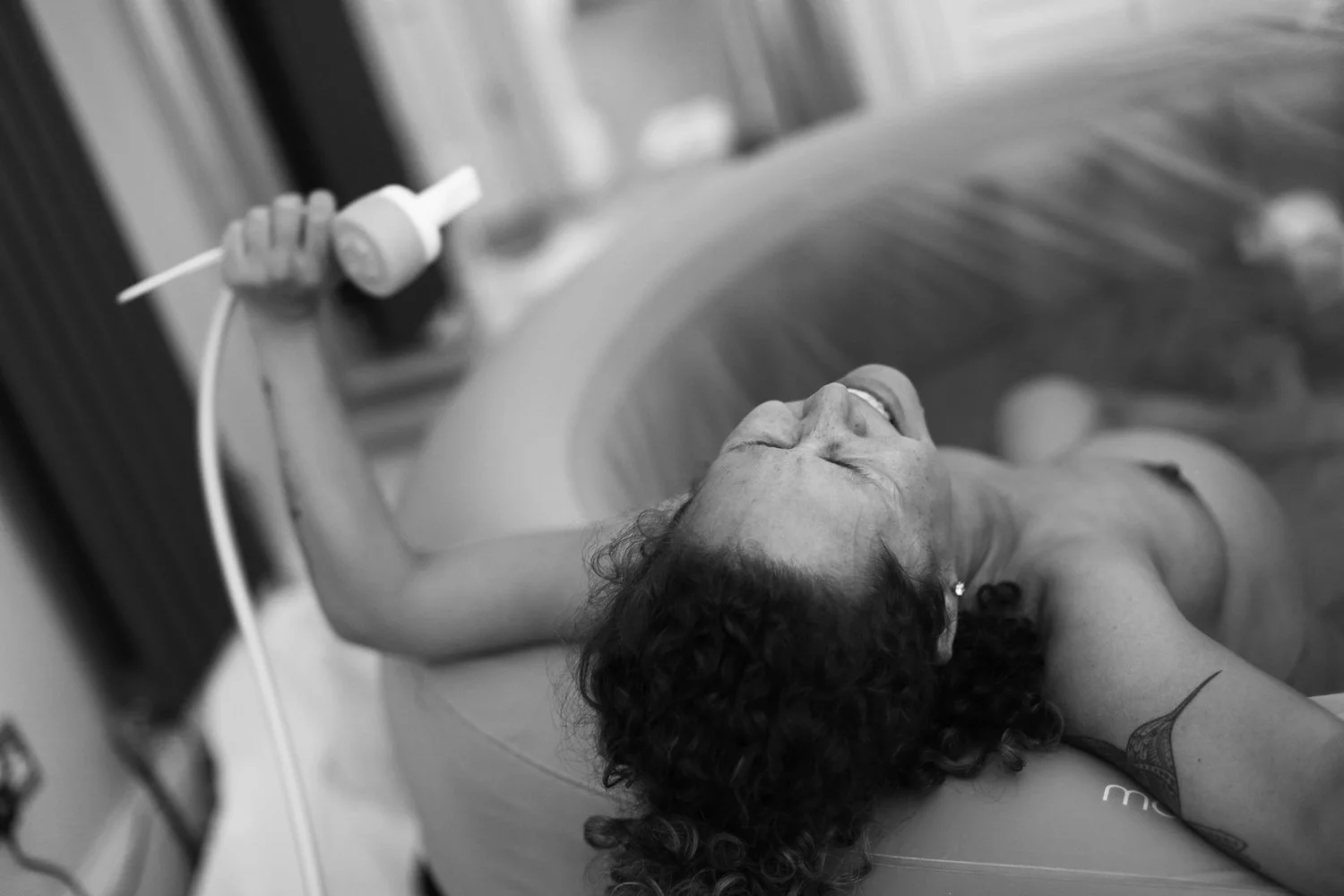
Creator: Jodi Hall Photography | Credit: Getty Images/iStockphoto
After the baby is born, oxytocin continues to contract the uterus to facilitate delivery of the placenta and reduce the risk of postpartum hemorrhage. Her natural endorphins help to induce feelings of elation or euphoria and help early bonding between the mother and her baby. Similarly, oxytocin, the production of which is enhanced by skin to skin contact, also strengthens the new mother baby relationship. When the baby suckles on the mother’s breast, oxytocin and prolactin are released from the pituitary, and pass through the mother’s blood to the breast. These hormones provide an important feedback loop to aid milk production and establish milk supply. Approximately four days after birth the mature milk usually starts to come in. During the days and weeks after birth, oxytocin continues to stimulate uterine contractions as the uterus gradually returns to its pre-pregnancy size and position. As a result, many women experience painful cramps while breastfeeding during this time.
Another effect of oxytocin is that it helps the mother tune into her baby and potential dangers which can consequently increase her anxiety levels. Also, a radical drop in her endorphin levels after birth can contribute to the temporary baby blues that many women experience after giving birth. It can take several months for relaxin to leave the body and for a woman’s joints to return to their usual stability but in some cases women continue to suffer from pelvic girdle pain for the rest of their lives. It is generally understood that women’s hormones don’t return to normal until their menstrual period returns, which can be many months later. For women who continue to breastfeed even after the return of their period, their hormones don’t completely return to ‘normal’ until after the baby weans.
For many, a new ‘normal’ may be very different from a former ‘normal’.

If you’re a Doula or Birthworker wanting to know more about being the best you can be on the job, and turning your passion for birth into a profitable and sustainable (values aligned) business, CHECK OUT MY SUITE OF OFFERINGS!